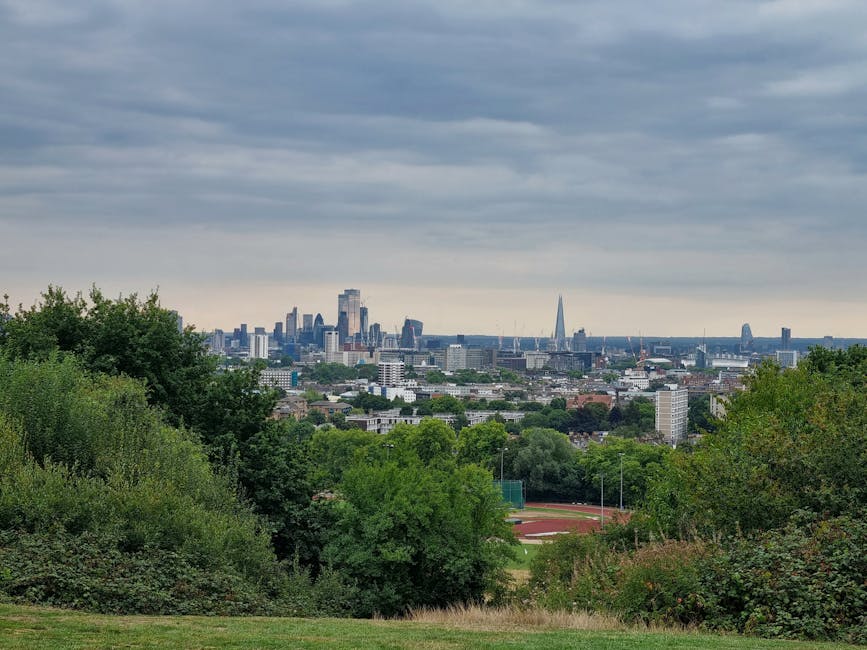
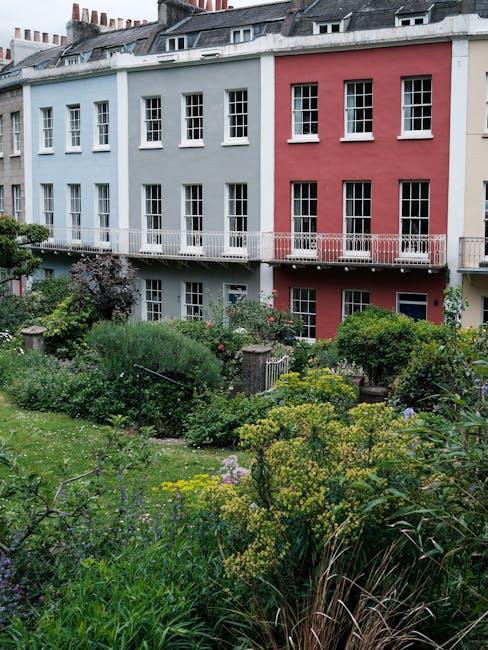
Primrose Hill gardeners guide for terraces and small gardens
Terraces and compact gardens around Primrose Hill can be wonderful, but they ask for a slightly different way of thinking. Space is tight, light can be patchy, wind can whip through, and every pot, path, and plant has to earn its place. This Primrose Hill gardeners guide for terraces and small gardens is designed to help you make sensible decisions, avoid expensive mistakes, and create a space that feels calm rather than crowded. Whether you have a narrow townhouse terrace, a small paved courtyard, or a leafy-but-limited back garden, the goal is the same: more usable beauty, less frustration.
In practical terms, good small-garden design is less about having more stuff and more about using the right structure, planting, and upkeep. That might mean a cleaner layout, better containers, a few strong focal points, or regular support from a local team offering garden maintenance and seasonal care. Let's face it, a small garden shows everything. Miss a weed, and it suddenly feels twice as obvious. Do it well, though, and the whole place can feel like an extra room.
Expert summary: The best terrace and small-garden results usually come from three things working together: a simple layout, plants that suit the site, and maintenance that stays ahead of the mess rather than chasing it after the fact.
Table of Contents
- Why this guide matters for Primrose Hill terraces and small gardens
- How small-space gardening works in practice
- Key benefits and practical advantages
- Who this is for and when it makes sense
- Step-by-step guidance
- Expert tips for better results
- Common mistakes to avoid
- Tools, resources and recommendations
- Law, compliance, standards and best practice
- Options, methods and comparison table
- Case study or real-world example
- Practical checklist
- Conclusion
- Frequently asked questions
Why Primrose Hill gardeners guide for terraces and small gardens Matters
Primrose Hill has a very particular feel. Many homes sit within elegant, dense streets where outdoor space is precious, visible, and often overlooked until it starts causing problems. A terrace or small garden in this kind of setting is not just a patch of green. It is a liveable extension of the home, often viewed from the kitchen, dining room, or first-floor window every single day. That means design flaws stand out fast, but so do good decisions.
The reason a tailored guide matters is simple: small gardens are not miniature versions of large gardens. If you scale everything down without changing the approach, you usually end up with a cluttered, awkward space. A large shrub that looks elegant in a big border can swallow a tiny courtyard. A wide path can steal too much usable area. Even the wrong pot size can throw off the whole composition. In other words, proportion matters more than ever.
There is also the practical side. Terraces and compact gardens often have access constraints, shared boundaries, and less room for storage. A garden that looks effortless from the street may actually take disciplined upkeep behind the scenes. This is where structured help, such as services overview planning, can be useful if you want to understand how different garden jobs fit together rather than tackling them one by one in a rush.
And there is a comfort factor too. A small garden that is well cared for feels restful. You can hear the soft movement of leaves, notice the smell of herbs after rain, and step outside without mentally listing ten jobs you have not done yet. That is the real win.
How Primrose Hill gardeners guide for terraces and small gardens Works
Small-space gardening works by balancing four things: layout, planting, maintenance, and usability. Once you treat those as equal priorities, the garden starts behaving better. Not overnight, of course. Gardening rarely behaves overnight. But the improvement can be striking.
1. Start with how the space is used
Before choosing plants or finishes, ask what the space actually needs to do. Is it for morning coffee, children, pets, quiet reading, growing herbs, or all of the above? A terrace that is used daily should be planned differently from a decorative front court or a garden mainly seen from indoors.
2. Measure the light, wind, and access
Small gardens in built-up London areas often have awkward microclimates. One corner may be sun-baked by noon while another stays cold and damp. Upper-floor terraces can be especially windy. That changes what will thrive. If you ignore it, you end up replacing plants, which is expensive and frustrating. A few minutes observing the space at different times of day is worth far more than an impulsive plant haul.
3. Use layers instead of bulk
Layering means using vertical interest, mid-height planting, and ground-level structure rather than relying on one big feature. Think wall planters, trellis planting, low evergreen structure, and seasonal pots. This creates depth without crowding the floor area. On a terrace, that can be the difference between a space that feels like a corridor and one that feels like a room.
4. Keep the maintenance load realistic
A small garden should not become a full-time hobby unless you want it to. High-maintenance planting can look brilliant in the first season and then become a chore. A sensible design makes room for regular tidying, watering, and pruning. If you are already stretched, a reliable garden maintenance plan is often more valuable than another round of decorative extras.
Truth be told, the best terrace gardens are usually not the most complicated ones. They are the ones where every element has a reason to be there.
Key Benefits and Practical Advantages
A thoughtfully managed terrace or small garden gives you more than neat edges and a few pretty plants. The benefits are practical, emotional, and surprisingly financial over time, because good decisions reduce waste and rework.
- Better use of space: Clear zoning makes the garden feel larger and easier to enjoy.
- Less clutter: Smaller spaces quickly look messy if storage, pots, and tools are not controlled.
- Lower maintenance pressure: Smart planting and tidy surfaces reduce weekly effort.
- Improved privacy: Trellis, hedging, and layered planting can soften nearby windows and overlooking.
- Stronger visual impact: One or two well-chosen features often create more effect than lots of little ones.
- Year-round structure: Evergreen forms and good hard landscaping stop the space looking empty in winter.
One of the less obvious benefits is confidence. When your garden feels ordered, you are more likely to use it. You step out more often. You open the doors in spring. You water the pots before they sulk. Small, but important. There is a knock-on effect there, and it matters.
For homeowners who want a more polished result, combining planting with practical surfaces can help. Services such as landscaping or even tailored decking services can make a compact outdoor area feel much more coherent, especially where levels or awkward paving are getting in the way.
Who This Is For and When It Makes Sense
This guide is for anyone trying to make a small Primrose Hill outdoor space work harder without turning it into a design headache. That includes homeowners, tenants, landlords, property managers, and people who simply want a neat terrace that looks good from inside and does not eat up every weekend.
It makes sense if you are dealing with any of the following:
- a narrow terraced house garden that feels too long and thin
- a paved courtyard that lacks softness
- a balcony-like terrace needing structure and privacy
- a mature small garden that has become overgrown
- a space that needs to look smart for guests, tenants, or resale
- a garden that is hard to maintain because of work, travel, or family commitments
It also makes sense if you are stuck between two extremes: you want the space to feel alive, but you do not want a high-maintenance jungle. That balance is the sweet spot. And yes, it can be found. It is not mythical.
If the garden has become cluttered or you are starting from scratch after years of patchy use, a proper reset can help. Sometimes that means clearance before anything else, especially where broken pots, old compost bags, self-seeded plants, or tired furniture are taking over. In those cases, garden clearance can create the blank canvas you need.
Step-by-Step Guidance
Here is a practical way to approach a small terrace or garden without getting overwhelmed. You do not need to do it all in one go. In fact, it is usually better if you do not.
Step 1: Clear the space and see what you actually have
Start by removing dead plant material, broken items, and anything that no longer earns its place. Once the clutter goes, dimensions become clearer. You may notice that a corner you ignored actually gets excellent morning sun, or that one side feels cramped because a container is in the wrong spot.
Step 2: Decide on the main job of the garden
Pick a priority. Seating? Planting? Screening? Play space? If you try to make the garden do everything equally, it usually does nothing particularly well. A terrace with one strong job tends to feel more satisfying than a crowded compromise.
Step 3: Build a simple layout
Use a few large decisions rather than many small ones. For example:
- a clear sitting zone
- a planting edge or line of pots
- a vertical screen or trellis
- one focal point, such as a specimen plant or feature container
Keep movement easy. If you are constantly stepping around pots, the space is probably too busy.
Step 4: Choose plants for the conditions, not just the look
That sunny lavender you liked in a picture may struggle in shade. That lush fern may crisp up on a windy terrace. Match plants to light, exposure, and how much care you can realistically give them. Structure first, flowers second. A good backbone of plants makes everything else easier.
Step 5: Add height carefully
Small gardens benefit enormously from verticality. Climbing plants, wall planters, and simple trellis systems can draw the eye upward. Just be careful not to overdo it. A wall can disappear under too many layers, and then the space starts to feel hemmed in. Subtle is often better.
Step 6: Set up a maintenance rhythm
Even the best planting plan needs a routine. Watering, deadheading, pruning, sweeping, and seasonal feeding should be scheduled in a way that suits your life. A quick 15-minute tidy every few days usually beats a heroic rescue mission once a month. Very much so.
If you know you will not keep on top of it alone, partnering with a dependable team for hedge trimming, lawn mowing, or broader upkeep can protect the design you have invested in.
Expert Tips for Better Results
A few small choices make a disproportionate difference in compact gardens. These are the sort of things that separate a decent terrace from one that feels genuinely considered.
Use fewer containers, but choose better ones
Three substantial pots often look more elegant than a dozen tiny ones. Bigger containers also hold moisture better and support healthier root systems. They are easier on the eye too. The small-pot scatter effect can be a bit chaotic, to be fair.
Think in sightlines
Stand at the back door, the kitchen window, and the main seating spot. What do you see first? A cluttered corner? A harsh bin area? A nice specimen tree? In a small garden, the first view matters a lot because it sets the mood instantly.
Mix evergreen structure with seasonal change
Evergreens stop the space from going bare in winter, while seasonal planting brings movement and colour through the year. That combination prevents the garden from becoming a summer-only room.
Use scent sparingly and intentionally
A few scented plants near a seating area can be lovely. Too many competing fragrances, though, and it becomes muddled. One or two thoughtful choices beat a botanical perfume counter.
Keep surfaces simple
In a small area, too many paving textures, colours, or edging materials can make the garden feel chopped up. A simpler surface scheme often creates the illusion of more space.
And one practical note from real life: if your terrace catches wind, any tall or lightweight element needs proper fixing. Pots can tip, screening can rattle, and nobody wants a late-night clatter in a quiet mews. Not ideal.
Common Mistakes to Avoid
Small gardens magnify mistakes. That is the annoying part. The good news is that most of them are avoidable once you know what to watch for.
- Overfilling the space: Too many pots, ornaments, and plant varieties make the garden feel smaller.
- Ignoring maintenance needs: A beautiful planting scheme that needs constant attention is only beautiful for a short while.
- Choosing plants for a catalogue image: Conditions matter more than appearance.
- Forgetting storage: Tools, cushions, and watering cans need a home, even in tiny gardens.
- Using tiny furniture: Small does not always mean better. Under-scaled furniture can look awkward.
- Blocking light: Tall screens or dense planting placed badly can make the space darker than it needs to be.
- Neglecting drainage: Paved terraces and compact beds can become soggy if water has nowhere to go.
The most common mistake? Trying to fix everything at once. That usually ends with more purchases, more mess, and less clarity. Step back. Simplify. Then build.
Tools, Resources and Recommendations
You do not need a shed full of specialist equipment to care for a terrace or small garden. A compact, reliable toolkit is usually enough. That said, using the right equipment can make maintenance far easier.
| Tool or resource | What it helps with | Why it matters in small gardens |
|---|---|---|
| Hand fork and hand trowel | Planting, weeding, soil refresh | Useful where beds and containers are tight |
| Lightweight watering can or hose attachment | Regular watering | Helps avoid overwatering or splashing paving |
| Sharp secateurs | Pruning and deadheading | Cleaner cuts, healthier growth |
| Broom or outdoor brush | Cleaning paving and terrace surfaces | Small spaces look untidy quickly if debris builds up |
| Sturdy containers with drainage | Container planting | Prevents waterlogging and root stress |
| Trellis or support system | Vertical planting | Adds height without taking floor space |
For bigger structural changes or a full refresh, it can help to speak with a team that also handles broader garden work, including landscape gardening and wider landscaping. That is especially useful if you are planning changes in stages and want the space to remain practical while the work progresses.
If you are replacing tired planting or need to start again cleanly, the combination of clearance, design, and maintenance usually works better than treating each part as a separate headache. One job informs the next, which saves time and, honestly, a fair bit of stress.
Law, Compliance, Standards, or Best Practice
For most terrace and small-garden work, there is no special legal maze to solve, but there are still sensible standards and duties to keep in mind. This is especially true where trees, access, waste, noise, or shared boundaries are involved.
In practical terms, best practice usually means:
- checking whether any work could affect neighbours, especially on shared or closely spaced boundaries
- using safe ladder and cutting practices for higher work
- disposing of green waste responsibly
- keeping paths and work areas clear during maintenance
- being cautious with mature trees or heavy pruning
If tree work is involved, it is wise to treat it with extra care. Large pruning or removal is not a casual weekend task, and safety matters. For more involved work, specialist tree lopping and removal should be considered where appropriate rather than forcing a shortcut.
Safety and insurance are also worth checking before any contractor starts. If someone is working at height, handling machinery, or removing heavy waste through tight access, you want to know they are set up properly. If you are comparing providers, documents such as insurance and safety and health and safety policy can help you judge professionalism without having to decode industry jargon. A good contractor should be able to explain what they are doing in plain English. No drama, no bluff.
There is also a sustainability angle. Compact gardens generate waste quickly when prunings, old compost, broken pots, and spent plants pile up. Responsible recycling and disposal are part of good practice, not a nice extra. If that matters to you, look at approaches aligned with recycling and sustainability.
Options, Methods, or Comparison Table
There is more than one way to make a small garden work. The right method depends on how much time, control, and visual softness you want.
| Approach | Best for | Pros | Watch-outs |
|---|---|---|---|
| Container-led design | Terraces, patios, rental spaces | Flexible, easy to update, no major digging needed | Needs regular watering and feeding |
| Border-and-structure design | Small gardens with planting beds | Feels established and layered | Can become cluttered if shrubs are oversized |
| Hardscape-led design | Low-maintenance outdoor rooms | Simple to care for, clean look | Can feel hard or stark without soft planting |
| Mixed design | Most Primrose Hill homes | Balanced, practical, visually rich | Needs a clear plan to avoid muddle |
In many cases, the mixed approach is the winner. A small terrace with a few carefully chosen planters, a seating zone, and some vertical planting usually feels far more generous than a space forced into one strict style. That said, a really minimal scheme can work beautifully too, especially where the architecture already does much of the visual heavy lifting.
Case Study or Real-World Example
Picture a typical Primrose Hill terrace: narrow, a little shaded in the afternoon, with old pots at one end and a tired seating area that has seen better days. The owner wants something attractive but manageable. Nothing fussy. Nothing that becomes a second job.
The first step is clearing out the clutter. Out go the cracked containers, dead annuals, and the awkward table that barely fits. Once the space is open, the layout makes more sense. The seating area is moved closer to the rear door for easier use. A slim line of larger pots creates a softer edge along one side. A trellis with a climber gives height and privacy without sacrificing floor space.
Then comes planting. Instead of mixing too many varieties, the scheme uses a strong evergreen backbone, a couple of seasonal highlights, and herbs close to the kitchen door. The result is not flashy, but it feels composed. More importantly, it can be maintained without a weekly battle. The owner notices something small but telling after a few weeks: they actually use the terrace more. Morning coffee becomes a habit. Evening air feels quieter. The space begins to pull its weight.
That is usually the goal. Not perfection. Just a garden that fits the way you live.
Practical Checklist
Use this checklist before you redesign, refresh, or maintain a terrace or small garden in Primrose Hill.
- Define the main purpose of the space
- Measure sun, shade, wind, and access points
- Remove clutter, dead plants, and broken items
- Keep the layout simple and easy to move through
- Choose plants that suit the site conditions
- Include some evergreen structure for year-round shape
- Use containers that are large enough to support healthy growth
- Plan for watering, pruning, sweeping, and seasonal tidy-ups
- Check whether any taller work needs specialist support
- Think about waste removal and sustainability from the start
- Review privacy, storage, and lighting after the main layout is set
If you can tick most of those off, you are in a strong position. If not, no panic. Most small gardens improve in stages, and a steady approach usually produces the best results anyway.
Get a free quote today and see how much you can save.
Conclusion
A well-planned terrace or small garden in Primrose Hill does not need to be large to feel generous. It needs clarity, proportion, and a maintenance rhythm that fits real life. Once you stop asking the space to do too much, the whole thing becomes easier. More elegant too, interestingly enough.
The best results usually come from a calm sequence: clear the clutter, shape the layout, choose plants that suit the conditions, and keep the upkeep manageable. That is the heart of a good Primrose Hill gardeners guide for terraces and small gardens. Simple on paper, yes. But when done properly, it changes how you use the space every day.
If you are ready to improve a compact outdoor area, take the next step with confidence. Start small, stay practical, and build a garden you will actually enjoy on a drizzly Tuesday morning as much as on a sunny June evening. That is the real standard.
Frequently Asked Questions
What makes Primrose Hill terraces different from other small gardens?
They are often more exposed, more visible, and more design-sensitive. Many terraces also deal with wind, limited storage, and a strong indoor-outdoor connection, so every choice has to work harder.
How do I make a small garden feel bigger?
Keep the layout simple, use fewer but larger containers, add vertical planting, and avoid overcrowding. Clear sightlines and a restrained colour palette can make a big difference.
What plants are best for terraces with wind?
Choose sturdy plants that tolerate exposure and use stable containers. Exact choices depend on light and aspect, but the main point is to avoid delicate, top-heavy plants that will fight the site.
How often should a small garden be maintained?
Little and often is usually best. A quick tidy every few days, regular watering in dry spells, and seasonal pruning or refreshes will usually keep things under control.
Is decking a good idea for a small garden?
It can be, especially if you want a cleaner, more usable surface. The key is making sure it suits the layout and does not visually overwhelm the space.
What should I do first if my garden is overgrown?
Start with clearance. Once the dead material, clutter, and unwanted growth are removed, you can see the actual shape of the garden and decide what to keep.
Can I have a low-maintenance small garden that still looks good?
Yes. That usually means using strong structure, evergreen planting, and a limited number of well-chosen features. Low-maintenance does not have to mean plain.
Do small gardens need professional help?
Not always, but professional help can be useful if access is awkward, the space is heavily overgrown, or you want a more polished finish. A good contractor can save time and reduce avoidable mistakes.
How do I choose between planting and hard landscaping?
Think about how you want the space to feel and how much maintenance you want to take on. Hard landscaping gives structure and ease; planting adds softness and life. Most small gardens benefit from a mix.
What is the biggest mistake people make with terrace gardens?
Overfilling them. Too many pots, too many materials, too many plant varieties. It happens fast. Simplicity usually looks better and works better, which is a relief, really.
Are there safety issues with pruning or tree work in small gardens?
Yes, especially where access is tight or mature growth is involved. High or heavy work should be approached carefully, and specialist support is sensible when the job becomes more complex.
Where can I get help with garden upkeep or a full refresh?
If you need support with maintenance, clearance, or wider garden work, it is worth reviewing the available service options and choosing the level of help that matches your space and budget.