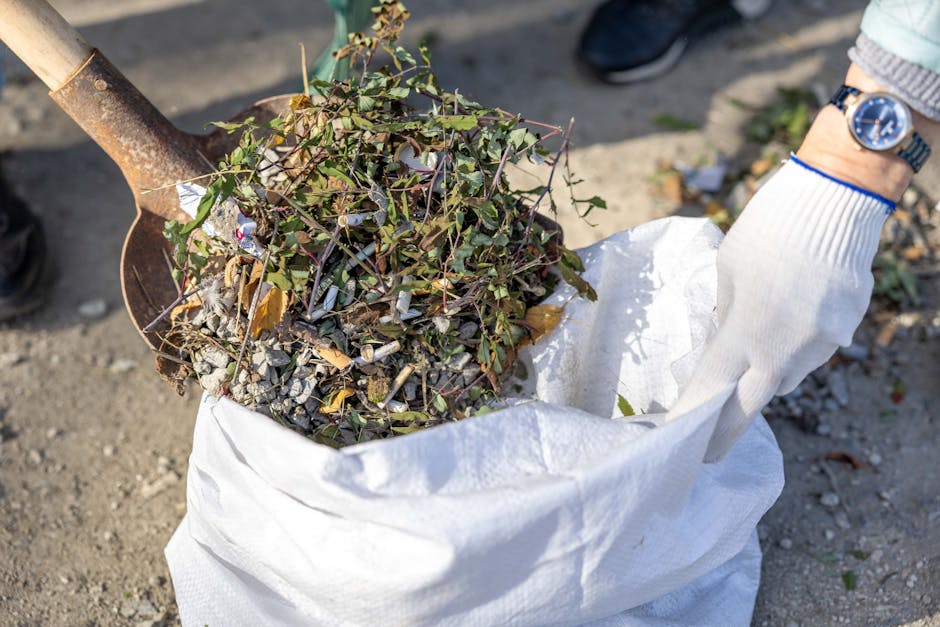
Camden Council garden clearance rules explained for gardeners
If you garden in Camden, garden clearance is rarely just a case of "bag it and be done." Between waste handling, green waste separation, neighbour considerations, access in tight London streets, and the need to avoid creating a mess on the pavement, there's a sensible way to do it and a less sensible way. This guide to Camden Council garden clearance rules explained for gardeners breaks the topic down in plain English, so you can clear a garden properly, keep things tidy, and avoid the awkward surprises that come from getting it wrong.
Truth be told, most problems happen because people treat clearance like a one-size-fits-all job. It isn't. A small back garden with prunings and dead plants has very different needs from a full overgrown clearance with bramble, timber, soil, and maybe a tired old shed corner that has seen better days. Below, you'll find the practical details that matter, the common mistakes to avoid, and a straightforward way to plan work so it runs smoothly.
For broader service context, you may also find the garden clearance service overview and recycling and sustainability approach useful while you work through your options.
Table of Contents
- Why Camden Council garden clearance rules explained for gardeners Matters
- How Camden Council garden clearance rules explained for gardeners Works
- Key Benefits and Practical Advantages
- Who This Is For and When It Makes Sense
- Step-by-Step Guidance
- Expert Tips for Better Results
- Common Mistakes to Avoid
- Tools, Resources and Recommendations
- Law, Compliance, Standards, or Best Practice
- Options, Methods, or Comparison Table
- Case Study or Real-World Example
- Practical Checklist
- Conclusion
- Frequently Asked Questions
Why Camden Council garden clearance rules explained for gardeners Matters
Garden clearance sounds simple until you start lifting bags, cutting back overgrowth, and realising how much "green waste" actually piles up. In Camden, where properties are often compact and access can be awkward, a tidy clearance plan matters even more. You're not just improving appearance; you're managing waste responsibly, protecting surfaces, reducing trip hazards, and helping the garden recover cleanly afterwards.
It also matters because poor clearance habits can create problems for everyone around the property. Loose clippings can blow into shared walkways. Soil and leaf litter can stain paving. Broken branches left in piles can become slippery, especially after a wet spell. And if you're working near boundaries, one half-finished job can quickly become a neighbour issue. Not dramatic, just annoying. And avoidable.
From a gardener's point of view, getting clearance right is also about working efficiently. If you remove waste in the right order, sort recyclable material early, and know what needs extra care, the whole job goes faster. That means less backtracking, fewer missed corners, and better results all round.
Expert summary: good garden clearance in Camden is less about "clearing everything" and more about clearing the right material, in the right way, with the right disposal plan. That simple shift saves time, reduces mess, and makes the finished garden easier to maintain.
How Camden Council garden clearance rules explained for gardeners Works
The easiest way to think about garden clearance is in three stages: assess, sort, and remove. First you look at what's there. Then you separate materials by type. Finally, you get the waste off-site or into the correct disposal stream. That sequence sounds obvious, but in real gardens it's easy to skip a step and create extra work later.
In practical terms, a Camden garden clearance job may include:
- cutting back shrubs, ivy, or bramble
- removing dead plants, leaves, and grass cuttings
- collecting branches and woody waste
- lifting broken pots, old planters, and clutter
- bagging or bundling green waste for removal
- keeping soil, rubble, and organic waste separate where possible
The garden may also need a more careful approach if there are trees, thick hedging, or heavy vegetation. A job that involves overhead branches or awkward stump areas can require a more technical service. In those situations, a broader service such as tree lopping and removal or hedge trimming may be more appropriate than a standard one-off tidy-up.
The council side of things is mostly about keeping waste under control, preventing nuisance, and avoiding messy or unsafe storage of cuttings. Exact operational details can vary depending on the situation, so the safest approach is to treat clearance as a controlled process, not a scramble. You really do notice the difference by the end of the day.
Key Benefits and Practical Advantages
There are several clear benefits to understanding garden clearance rules before you start. Some are obvious, some are a bit more subtle, but all of them make life easier.
- Cleaner finish: waste is removed in a way that leaves the garden ready for the next stage, whether that's maintenance, planting, or landscaping.
- Less disruption: organised clearance means fewer trips, less noise, and less mess around shared paths or entrances.
- Better recycling outcomes: green waste can often be separated from mixed rubbish, which supports more responsible disposal.
- Reduced risk of complaints: tidy handling matters in close-knit streets and shared access areas.
- More efficient follow-up work: once the overgrowth is gone, jobs like lawn care, border restoration, or replanting become much easier.
There's also a commercial benefit if you're a gardener offering this service. Clients tend to trust a clear process. If you can explain what will be removed, how it will be handled, and what happens next, that builds confidence fast. It sounds small, but it isn't. People like to know what they're paying for.
If your work regularly includes seasonal clear-outs, linking clearance with ongoing garden maintenance can be a smart way to keep gardens under control without letting them slip back into a jungle by mid-July.
Who This Is For and When It Makes Sense
This guidance is useful for a few different people. If you're a gardener, it helps you avoid mistakes and explain your process more clearly. If you're a landlord, letting agent, or homeowner, it helps you understand what a proper clearance should look like. And if you simply have a garden that has gotten away from you a bit-no judgement, happens to the best of us-it gives you a realistic starting point.
It makes most sense when you're dealing with:
- an overgrown garden that needs a reset
- a seasonal cutback after a period of neglect
- clearance before landscaping or decking works
- a rental property that needs presentable outdoor space
- storm damage, branch fall, or heavy leaf build-up
- regular maintenance where waste handling needs to stay tidy
Sometimes the job is straightforward. A few bags of clippings, a wheelbarrow of dead growth, and that's that. Other times, the garden has layers. Old pots half-hidden under ivy. Broken timber behind a shed. A patch of compacted soil where nothing has grown properly for years. That's when you need a proper clearance plan, not just a pair of gloves and optimism.
For bigger redesigns, it can make sense to combine clearance with landscape gardening or broader landscaping work so the space evolves instead of just being stripped back and left flat.
Step-by-Step Guidance
If you want a smooth garden clearance in Camden, work through it in order. Rushing usually creates more waste, more mess, and more lifting than necessary. A calm, methodical approach is faster than it looks.
- Inspect the garden first. Walk the full space and note what needs cutting, lifting, bagging, or special handling. Check access points too. Tight alley? Side return? Shared entrance? It matters.
- Separate waste types. Keep green waste apart from general rubbish, and flag anything bulky, heavy, or potentially sharp.
- Clear from top to bottom. Start with overgrowth, then loose material, then heavier debris. That stops you trampling areas you've already tidied.
- Use manageable loads. It's better to move smaller bags or bundles than overfill one heavy sack. Your back will thank you later. A bit boring, but true.
- Protect paths and surfaces. Brush down soil, keep clippings off paving, and avoid dragging branches across soft surfaces.
- Dispose responsibly. Arrange the right removal route for the waste you've collected. If material can be reused, recycled, or composted, do that where appropriate.
- Finish with a reset. Rake, sweep, and check boundaries so the cleared garden looks intentional, not half-finished.
A practical note: if the garden contains a heavy hedge line or dense shrubs, do the cutting in layers rather than hacking everything down at once. You'll get cleaner cuts, easier waste handling, and a better view of what you're dealing with underneath. Which, let's face it, is often a surprise.
Expert Tips for Better Results
Good clearance is partly about technique and partly about judgement. You don't need elaborate equipment for every job, but you do need to know where the time goes and where the risk sits.
- Work in dry conditions where possible. Wet clippings are heavier, slippery, and more likely to smear on paving.
- Cut back in stages. A staged reduction is safer and less stressful for the plant structure than a brutal all-at-once chop.
- Keep a waste station near the exit. This saves endless back-and-forth, especially in narrow Camden terraces.
- Watch for hidden materials. Old wire, broken canes, and buried debris turn up in neglected gardens more often than people expect.
- Allow time for final detailing. The last ten percent of the job often creates the biggest visual improvement.
One small but useful habit: photograph the garden before you start. Not for drama. Just for reference. It helps you check progress, estimate waste volume next time, and explain the work to a client if needed.
If you want a service setup that feels properly organised, it can also help to review the full range of services alongside pricing and quotes so the job is scoped sensibly from the beginning.
Common Mistakes to Avoid
A lot of clearance problems come from rushing or underestimating the amount of waste involved. A small patch of overgrowth can produce several bags of material before you know it. Here are the mistakes that crop up most often.
- Mixing all waste together. This makes disposal harder and can reduce recycling options.
- Leaving piles outside too long. That invites wind, mess, and the occasional complaint from neighbours.
- Using the wrong cutting sequence. If you chop down low growth before the tall stuff, you lose visibility and create more tripping hazards.
- Ignoring access. A plan that works in a large suburban garden may fall apart in a Camden mews or shared courtyard.
- Forgetting the finish. A cleared garden still needs sweeping, edging, and a quick check for leftover debris.
- Assuming every garden can be treated the same. Some spaces need sensitive handling, especially where trees, boundaries, or hard landscaping are involved.
One more thing: don't leave piles of cuttings in damp corners "for later." Later has a funny way of becoming next week. Then next month. And suddenly the tidy-up is no longer tidy-up at all.
Tools, Resources and Recommendations
The exact tools you need depend on the state of the garden, but for most clearance jobs you'll want a simple, reliable kit rather than a load of gimmicks. Nothing fancy. Just solid, workable gear.
- heavy-duty gloves
- sharp secateurs and loppers
- hedge trimmers or shears where suitable
- rakes, brooms, and a leaf grabber
- tough waste bags or bundles ties
- tarpaulins for moving bulkier material cleanly
- wheelbarrow or garden trolley for repeated trips
For bigger or more technical jobs, you may need specialist help. That might include lawn mowing after clearance, or tree lopping and removal if tree growth is part of the problem. The point is to match the method to the mess, not just push through with one tool and hope for the best.
It can also help to review the company's health and safety policy and insurance and safety information if you are hiring work out. That's not overthinking it. That's sensible due diligence.
Law, Compliance, Standards, or Best Practice
This is the part people sometimes skim, then regret later. You do not need to become a compliance expert to clear a garden, but you should work to accepted UK best practice. That means being careful with waste, avoiding obstruction, and not creating hazards for people using nearby paths or shared areas.
Garden clearance commonly involves a mix of green waste and general waste. Those should be dealt with responsibly and separated where practical. If there is soil, rubble, timber, metal, or old garden fixtures, don't assume it can all be handled the same way. The safer approach is to sort first and remove second.
Also keep in mind:
- Public areas must stay clear. Don't leave bags, branches, or tools where they block access.
- Noise and timing matter. In residential streets, be considerate about when disruptive work happens.
- Manual handling should be sensible. Heavy loads, awkward lifts, and sharp waste are all avoidable risks if you plan properly.
- Boundary respect matters. Overhanging growth, root disturbance, and waste stored near fences should be handled with care.
Where trees are involved, a clearance job can cross into more technical work, so it's wise to treat tree-related pruning or removal differently from basic cut-and-collect maintenance. That's not being cautious for the sake of it. It's just good practice.
If you need a clearer picture of the company's operating standards, the pages on about us, terms and conditions, and complaints procedure help show how a professional service should be organised and accountable.
Options, Methods, or Comparison Table
There is more than one way to handle garden clearance, and the best method depends on the size of the garden, the amount of waste, and how tidy the final result needs to be. Here's a straightforward comparison.
| Method | Best for | Pros | Limitations |
|---|---|---|---|
| Light hand clearance | Small tidy-ups, leaf litter, minor cutbacks | Quick, inexpensive, minimal disruption | Not suitable for heavy overgrowth or bulky waste |
| Full clearance with waste removal | Overgrown gardens, rented properties, reset jobs | Thorough, efficient, leaves a clean base for next work | Needs more planning and handling capacity |
| Clearance plus maintenance plan | Gardens that keep slipping back into neglect | Keeps space under control over time | Requires ongoing commitment |
| Clearance plus landscaping preparation | Spaces due for redesign or improvement | Creates a proper starting point for upgrades | May involve more coordination and staging |
If the garden needs more than a simple tidy, a combined approach is usually the smartest choice. For example, a space may need clearing first, then landscape gardening to reshape the layout, followed by regular maintenance to keep it looking decent through the season.
Case Study or Real-World Example
Picture a typical Camden back garden in early spring: damp leaves in the corners, ivy climbing where it shouldn't, a few broken pots near the shed, and a lawn that has gone patchy because it hasn't seen a proper cut in weeks. Nothing outrageous. Just one of those spaces that quietly got away from someone over winter.
The sensible approach is simple. Start by removing loose debris and separating green waste from anything broken or non-organic. Cut the ivy back in stages so you can see what's underneath. Deal with the hedge line next, because once the edges are cleaner, the whole garden suddenly makes more sense. Then tackle the lawn and the borders. At the end, sweep the hard surfaces and check the corners that tend to collect the last bits of mess.
What changed the result in this kind of job was not brute force. It was order. The work felt calmer. The pile size became manageable. The garden looked better faster. And, importantly, the client could see a clear path from overgrown to usable rather than just a before-and-after shock photo. That matters more than people think.
Practical Checklist
Use this checklist before and during a garden clearance job in Camden:
- Confirm access to the garden and any shared routes
- Identify green waste, general waste, and bulky items separately
- Check for hidden hazards such as wire, glass, or sharp timber
- Decide whether hedge, tree, or lawn work is needed alongside clearance
- Prepare bags, tools, and a sensible waste staging area
- Keep paths, steps, and entrances clear throughout the job
- Remove waste regularly rather than stockpiling it
- Sweep and rake the area at the end
- Review whether follow-up maintenance is needed
- Make sure the finish is neat, not just "technically cleared"
If you're hiring a team, it's fair to ask how they manage disposal, safety, and payment. Pages like payment and security and contact options can help you judge whether the service feels straightforward and professional.
Get a free quote today and see how much you can save.
Conclusion
Camden garden clearance doesn't need to be complicated, but it does need to be done properly. If you understand the rules, keep waste separated, protect access routes, and plan the job in a sensible order, the work becomes cleaner, safer, and a lot less stressful. That's true whether you're a gardener handling a client's space or a homeowner trying to get your own patch back under control.
The real win is not just a tidier garden. It's a space that feels manageable again. You can hear the difference when a garden is no longer full of clutter; it just sounds lighter, if that makes sense. And after a long, messy clearance, that clean, open feeling is pretty satisfying.
When in doubt, keep it practical, keep it tidy, and keep the next step in mind. That's usually the difference between a quick fix and a result that actually lasts.
Frequently Asked Questions
What counts as garden clearance in Camden?
Garden clearance usually means removing overgrowth, cuttings, dead plants, leaves, branches, and general garden debris. It can also include old pots, broken items, and other clutter if they are part of the outdoor space. The exact scope depends on the condition of the garden.
Do I need special permission to clear my garden?
Most standard garden clearances do not need permission, but you should be careful if the work affects shared access, boundary structures, protected trees, or anything that could impact neighbouring properties. If the job is more technical than a basic tidy-up, it is worth checking carefully before starting.
Can green waste and general rubbish go in the same pile?
They can be collected together temporarily, but they should be separated wherever possible before disposal. Green waste is usually best treated differently from mixed household or builder-type waste. Sorting it early makes the whole process easier and cleaner.
What is the biggest mistake gardeners make with clearance jobs?
Underestimating the volume of waste is probably the most common mistake. A garden that looks manageable at first can quickly produce far more material than expected. Mixing waste types and skipping the final tidy are close behind.
How do I know if a garden needs clearance or just maintenance?
If the garden mainly needs routine cutting, edging, and tidying, maintenance may be enough. If there is dense overgrowth, long-neglected planting, or lots of debris to remove, a clearance is usually the better starting point. Sometimes you need both, one after the other.
What should I do with branches and larger cuttings?
Smaller branches can often be bundled with other green waste, while larger woody material may need separate handling. If the volume is significant, plan for a proper removal method rather than trying to force it into standard bags.
Is garden clearance affected by Camden Council rules on waste?
Yes, in the sense that waste should be handled responsibly and not left to create nuisance, mess, or access issues. The practical approach is to separate waste types, keep pathways clear, and use proper disposal methods. That's the safest and most sensible way to work.
Can garden clearance include hedge trimming and lawn mowing?
It often can, especially when the goal is to reset the whole space. Hedge trimming and lawn mowing are common follow-up tasks once the main clearance is done. In some jobs, they form part of the same visit.
How long does a typical garden clearance take?
It depends on access, waste volume, and how overgrown the space is. A small tidy-up might be fairly quick, while a neglected garden can take much longer. The best estimate comes from inspecting the site properly before starting.
What should I ask a gardener before booking clearance work?
Ask what is included, how waste will be handled, whether safety and insurance are in place, and whether the work is suitable for your garden's condition. It also helps to ask how they deal with access, bulky waste, and follow-up maintenance.
Is it better to clear the garden before landscaping?
Yes, nearly always. Clearance gives you a clean base to work from, which makes landscaping easier to plan and much easier to execute properly. Trying to redesign around clutter is usually a false economy.
What if the garden has become heavily overgrown?
In that case, a staged clearance is usually the safest approach. Work methodically, identify any hidden hazards, and use the right support if there are trees, heavy hedging, or awkward waste loads. A slow start is often the best start.